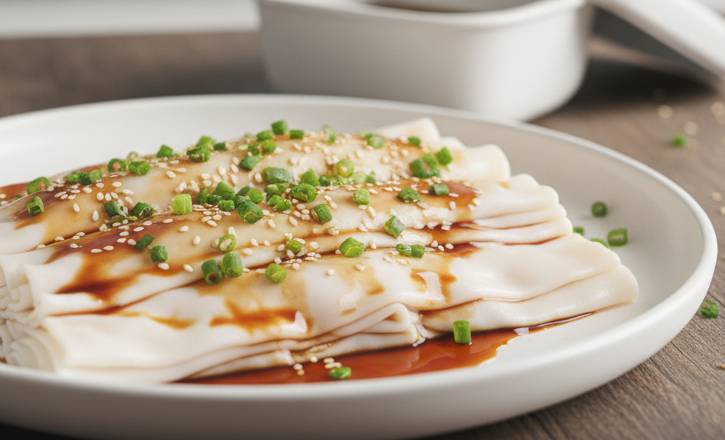
Chee Cheong Fun, a beloved Cantonese noodle roll, is a staple in dim sum restaurants and street food stalls across Asia.
Traditionally, making this silky-smooth dish involves steaming thin batter layers on a special tray, a process that can be daunting for the home cook. However, with the magic of your microwave, you can achieve wonderfully tender and translucent chee cheong fun right in your own kitchen with minimal fuss.
This simplified recipe brings the authentic taste and delightful texture of this classic dish within easy reach, perfect for a quick breakfast, snack, or a unique addition to your dim sum spread. Get ready to impress yourself with how effortlessly delicious homemade chee cheong fun can be!
Ingredients
For the Batter:
- 1/2 cup (60g) rice flour
- 1/4 cup (30g) tapioca starch
- 1/2 teaspoon salt
- 1 1/2 cups (360ml) cold water
- 1 tablespoon cooking oil (e.g., vegetable, canola)
For the Filling (Optional, choose one or combine):
- 2 oz (50g) raw shrimp, peeled, deveined, and finely chopped
- 2 oz (50g) ground pork or beef, seasoned with a pinch of salt and white pepper
- 1 tablespoon chopped scallions
- 1 tablespoon dried shrimp, rehydrated and finely chopped
For the Sweet Soy Sauce:
- 1/4 cup (60ml) light soy sauce
- 1/4 cup (60ml) water
- 1 tablespoon sugar
- 1/2 teaspoon sesame oil
For Garnish:
- Toasted sesame seeds
- More chopped scallions
- Equipment Needed
- Mixing bowls
- Whisk
- Microwave-safe plate or shallow dish (preferably with edges, approximately 8-10 inches diameter)
- Plastic wrap
- Microwave oven
- Spatula or bench scraper
- Brush (for oiling)
Step-by-Step Instructions
Step 1: Prepare the Batter
In a medium mixing bowl, combine the rice flour, tapioca starch, and salt. Gradually whisk in the cold water until you have a smooth, lump-free batter. Stir in the cooking oil. This oil helps with the pliability and prevents sticking. Let the batter rest for 10-15 minutes, then give it a quick whisk again before using, as the starches tend to settle.
Step 2: Prepare the Sweet Soy Sauce
In a small saucepan, combine light soy sauce, water, sugar, and sesame oil. Bring to a gentle simmer over medium heat, stirring until the sugar dissolves. Remove from heat and set aside. This can also be done in the microwave by heating for 30-60 seconds and stirring.
Step 3: Prepare Your Microwave Dish
Lightly brush your microwave-safe plate or shallow dish with a thin layer of cooking oil. This is crucial for preventing the chee cheong fun from sticking.
Step 4: Cook the First Layer (Plain or with Filling)
Give the batter a final whisk. Pour about 1/4 to 1/3 cup of batter onto the oiled plate, tilting it to form a thin, even layer that covers the bottom. If you’re adding a filling, sprinkle a small amount of your chosen filling (shrimp, pork, or scallions) evenly over the batter at this stage.
Step 5: Microwave and Steam
Cover the plate tightly with microwave-safe plastic wrap. Microwave on high for 1 minute to 1 minute 30 seconds. Cooking time may vary depending on your microwave’s wattage. The batter should turn opaque and bubbly, and the edges should start to pull away from the plate. It should look cooked through and translucent.
Step 6: Roll the Chee Cheong Fun
Carefully remove the plate from the microwave (it will be hot!). Remove the plastic wrap. Using an oiled spatula or bench scraper, gently scrape the cooked sheet from one end, rolling it tightly into a log. If it’s too hot to handle directly, use the spatula to assist. You might need to gently lift the edges to get it started. Place the rolled chee cheong fun onto a serving plate.
Step 7: Repeat the Process
Brush your plate with oil again for the next batch. Repeat steps 4, 5, and 6 until all the batter is used. You should get 4-6 rolls, depending on the size of your plate and how thin you make the layers.
Step 8: Serve and Garnish
Once all rolls are made, cut them into bite-sized pieces (about 1-2 inches long) using kitchen scissors or a knife. Drizzle generously with the prepared sweet soy sauce. Garnish with toasted sesame seeds and chopped scallions. Serve immediately and enjoy!
Tips for Success:
- Whisk Batter Before Each Use: The starches will settle, so always give the batter a good whisk right before pouring it onto the plate.
- Thin Layers are Key: The thinner the batter layer, the more delicate and authentic your chee cheong fun will be.
- Don’t Skimp on Oil: Oiling the plate between each batch is crucial to prevent sticking and ensure easy rolling.
- Adjust Microwave Time: Microwaves vary! Start with 1 minute and add 15-second increments until you find the perfect time for your appliance.
- Experiment with Fillings: Beyond shrimp and pork, you can use char siu (BBQ pork), rehydrated mushrooms, or just plain scallions for a vegetarian option.
Conclusion
Who knew that authentic-tasting Chee Cheong Fun could be whipped up so easily in a microwave? This simplified recipe proves that you don’t need specialized equipment or a professional kitchen to enjoy the delights of Cantonese dim sum at home.
The tender, slippery rolls bathed in sweet soy sauce are incredibly satisfying and surprisingly quick to prepare. Whether you’re a dim sum enthusiast or just looking for a unique and delicious dish to try, this microwave chee cheong fun recipe is a game-changer.
So, grab your microwave-safe plate and get ready to roll your way to a delightful culinary experience!
FAQ
Q1: What exactly is Chee Cheong Fun?
A1: Chee Cheong Fun (often abbreviated to CCF) is a Cantonese dish consisting of thin, wide sheets of steamed rice noodle, typically rolled up and served with a sweet soy sauce. It can be served plain or with various fillings like shrimp, beef, or BBQ pork.
The name literally translates to “pig intestine noodles” because the rolled-up sheets resemble pig intestines, though it contains no actual pig intestines.
Q2: Why use a microwave instead of a traditional steamer?
A2: A microwave offers a much quicker and more convenient way to cook the noodle sheets, eliminating the need for a large steamer setup and special rectangular trays. It’s perfect for home cooks who want to enjoy CCF without the traditional fuss.
Q3: Can I use just rice flour, or do I need tapioca starch too?
A3: While rice flour is the primary ingredient, tapioca starch is crucial. It adds elasticity and that desirable chewy, springy texture to the noodle sheets. Without it, the rolls might be too brittle or soft.
Q4: My chee cheong fun is sticking to the plate. What should I do?
A4:
- Oil, Oil, Oil: Ensure you brush a generous but thin layer of oil on your microwave-safe plate before each batch of batter. This is the most critical step to prevent sticking.
- Microwave Time: Ensure it’s cooked thoroughly. If undercooked, it might stick more easily.
- Cool Slightly: Let it cool for 10-15 seconds after microwaving before you start rolling. This makes it a bit firmer and easier to handle.
Q5: My chee cheong fun is too thick/gummy. How can I fix this?
A5:
- Thinner Batter Layer: You’re likely pouring too much batter onto the plate. Aim for a very thin layer; you should be able to see the bottom of the plate slightly through it.
- Whisk Batter: Always whisk the batter thoroughly before pouring each layer, as the starches settle, leading to an inconsistent thickness.
- Microwave Time: Ensure it’s not overcooked. Overcooking can also lead to a gummier texture.
Q6: Can I make this gluten-free?
A6: Yes, this recipe is naturally gluten-free as rice flour and tapioca starch are gluten-free. Just ensure your soy sauce is a tamari (gluten-free soy sauce) if you have strict gluten-free dietary needs.
Q7: How do I store leftover Chee Cheong Fun?
A7: Chee Cheong Fun is best eaten immediately after preparation. Leftovers can be stored in an airtight container in the refrigerator for up to 1-2 days. Reheat gently in the microwave (about 30-60 seconds) or steam briefly. The texture might not be as tender as fresh, but it will still be enjoyable.
Q8: Can I prepare the batter ahead of time?
A8: Yes, you can prepare the batter a few hours in advance and store it covered in the refrigerator. Just remember to give it a very thorough whisk before each use, as the starches will settle at the bottom.
Q9: What kind of fillings can I use?
A9: Besides the suggested shrimp and ground pork, popular fillings include:
- Char Siu (BBQ Pork): Finely diced leftover char siu.
- Beef: Thinly sliced or ground beef.
- Mushrooms: Rehydrated shiitake mushrooms, finely diced.
- Plain: Just scallions for a simple, vegetarian option.
Q10: Can I make the sweet soy sauce spicy?
A10: Absolutely! You can add a pinch of chili flakes, a dash of chili oil, or a slice of fresh bird’s eye chili to the sweet soy sauce mixture while it’s simmering, or drizzle chili oil over the finished dish.