Congratulations! You’ve reached the exciting milestone of introducing solids. But here’s a truth bomb: those plain, single-grain rice cereals that dominated the baby food aisles for decades are often just nutritional “placeholders.” They fill the tummy but offer minimal actual nutritional value for a rapidly developing brain and body.
The age range of 6–8 months is a golden window. Your baby is developing crucial motor skills (like the pincer grasp) and, most importantly, shaping their palate for life. This is the time to introduce nutrient-dense, flavorful, and textured foods.
Forget the bland jars. We’re going Beyond Rice Cereal with three simple, super-powered, and genuinely healthy recipes designed specifically for the 6–8 months stage. These recipes deliver maximum nutrition, essential fats, and important iron without the hassle.
The Triple Threat: 3 Baby Food Recipes 6-8 Months Healthy
These three recipes are versatile, easy to digest, and packed with essential vitamins and minerals crucial for a baby’s rapid development.
Recipe 1: The Iron & Zinc Booster (Sweet Potato & Beef Puree)
Iron and Zinc are vital in this age range, as your baby’s iron stores from birth begin to deplete. This savory blend is a nutrient powerhouse.
- 1 Medium Sweet Potato
- 2 oz Lean Ground Beef
Step-by-Step:
- Cook the Meat: Steam or boil the ground beef until fully cooked and no pink remains. Drain any excess fat.
- Prep the Sweet Potato: Peel and steam the sweet potato until fork-tender (about 15-20 minutes).
- Blend: Combine the cooked sweet potato and beef in a food processor or blender. Add 2–4 tablespoons of liquid (water, broth, or breastmilk/formula) to reach a smooth, easily spoonable consistency appropriate for 6-8 months.
- Serve or Store: Serve immediately or freeze in small cube trays.
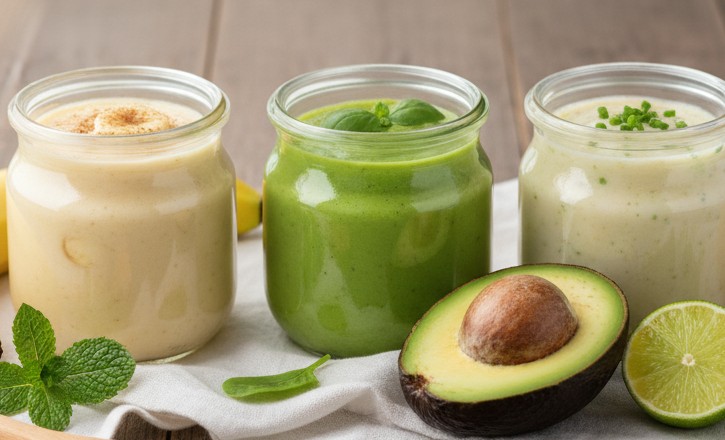
Recipe 2: The Healthy Fat & Fiber Dynamo (Avocado & Banana Smoothie)
Healthy fats are necessary for brain development, and this recipe delivers them in a creamy, naturally sweet package.
- 1/2 Ripe Avocado
- 1/2 Ripe Banana
- 1/4 cup Breastmilk or Formula
Step-by-Step:
- Measure: Scoop the avocado and banana into a blender.
- Add Liquid: Pour in the breastmilk or formula.
- Blend: Blend until completely smooth. Since avocado can be thick, you may need to scrape down the sides.
- Serve: This puree is best served fresh, as avocado can brown quickly. If storing, place a piece of plastic wrap directly onto the surface to minimize air exposure.
Recipe 3: The Vitamin C & Immune Support Duo (Carrot & Lentil Mash)
Lentils are an often-overlooked source of plant-based protein and fiber, while carrots add Vitamin C and beta-carotene.
- 1/4 cup Red Lentils
- 2 Medium Carrots
Step-by-Step:
- Cook Lentils: Rinse the red lentils well. Cook them in about 1 cup of water until they are very soft and mushy (about 20 minutes). Drain excess water.
- Cook Carrots: Peel and chop the carrots. Steam or boil until very soft.
- Combine & Mash: Place the cooked lentils and carrots into a bowl. For a 6-month-old, use a blender to achieve a smooth puree. For an 8-month-old, a simple fork mash will introduce texture.
- Add Seasoning (Optional): A small dash of cinnamon can be added for extra flavor exposure.
Conclusion: Building a Flavorful Future
Moving beyond bland foods to these 3 Baby food recipes 6-8 months healthy options is the best investment you can make in your child’s long-term health and palate. By offering nutrient-dense, varied flavors—like the savory beef, the healthy fats of avocado, and the earthy lentils—you are helping prevent pickiness and ensuring they get the critical building blocks they need.
Ditch the boring. Embrace the flavor. Your little one is ready to explore the world, one delicious, super-powered spoonful at a time.
FAQ
Q1: How do I know if my baby is ready for textured food (8 months)?
A: By 8 months, most babies are ready for slightly thicker textures and even some small, soft lumps. Look for signs that your baby is managing the purees well, showing a chewing motion (even without teeth), and attempting the pincer grasp (using the thumb and forefinger).
To introduce texture, simply mash the ingredients with a fork instead of fully pureeing them in the blender.
Q2: Should I season these baby food recipes?
A: Do not add salt or sugar to any baby food. A baby’s kidneys cannot process large amounts of sodium. However, it is highly encouraged to use mild spices like a small pinch of cinnamon (great with sweet potato or banana), nutmeg, or a dash of mild herbs (like basil or parsley).
This helps develop their palate and introduces flavor complexity.
Q3: What liquid should I use to thin the purees?
A: Always use a nutritious liquid:
- Breastmilk or Formula: This adds calories, healthy fats, and a familiar taste. It’s the best option.
- Water: Use water as a simple thinner for vegetables/meats.
- Low-Sodium Broth: A great way to add flavor when pureeing meat (like in the Sweet Potato & Beef Puree).
Q4: How long can I safely store homemade baby food?
A: Homemade purees can be stored safely using these guidelines:
- Refrigerator: 3 to 4 days in an airtight container.
- Freezer: Up to 3 months. The best method is to pour the puree into ice cube trays, freeze until solid, then transfer the cubes to a freezer bag labeled with the date and contents.
Q5: Is it okay to mix different types of food (e.g., meat and vegetables) at this age?
A: Yes! Once your baby has successfully tried the individual ingredients separately (with no allergic reaction), mixing them is encouraged.
The 6–8 month stage is perfect for combining flavors and nutrients, like the iron-rich beef with the Vitamin A from sweet potato, as shown in the recipes.