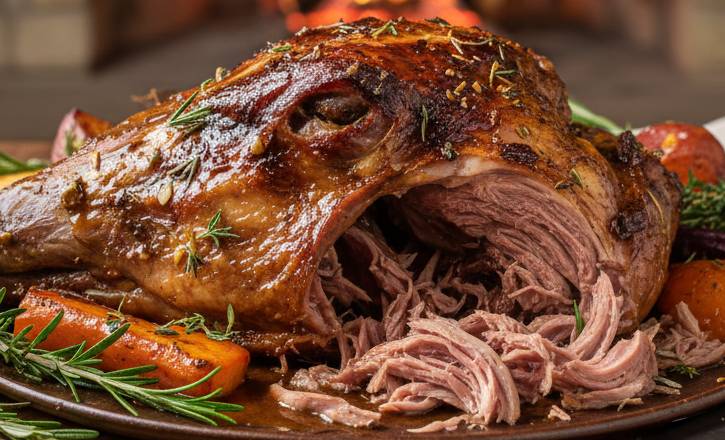
Cooking a whole lamb head might seem a bit daunting, but it’s a time-honored tradition in many cuisines, from the Mediterranean to the Middle East. It’s a dish that celebrates nose-to-tail eating and rewards you with some of the most flavorful, tender meat you can find. The process is straightforward, and the result is a truly memorable meal.
The best way to cook a lamb head is slowly, in the oven, allowing the meat to become fall-off-the-bone tender. The flavor is rich and deeply savory, with the cheeks and tongue being especially prized for their tenderness.
What You’ll Need
- Lamb Head: Ask your butcher to clean it for you. They can also cut it in half lengthwise, which makes it easier to handle and cook evenly.
- Aromatics: A head of garlic, sliced in half, and a large onion, quartered.
- Herbs and Spices: Fresh rosemary, thyme, salt, and black pepper. A teaspoon of paprika or cumin can add extra depth.
- Liquid: Olive oil and a cup of water or vegetable broth.
Step-by-Step Instructions
Prep the Lamb Head:
- If your butcher hasn’t already done so, thoroughly wash the lamb head under cold water. Pat it completely dry with paper towels.
- Rub the entire head with a generous amount of salt, pepper, and your chosen spices. Make sure to get into all the crevices. Drizzle with olive oil.
Prepare the Roasting Pan:
- Place the sliced garlic and quartered onion in the bottom of a roasting pan. Add a few sprigs of fresh rosemary and thyme. These will form a flavorful bed for the lamb head.
- Add a cup of water or broth to the bottom of the pan. This will create steam, keeping the meat moist and helping to prevent it from drying out.
Roast the Lamb Head:
- Place the lamb head on top of the aromatics in the pan. Cover the roasting pan tightly with aluminum foil.
- Preheat your oven to a low temperature, around 325°F (160°C).
- Place the covered pan in the oven and let it roast for about 3 to 4 hours. Low and slow is the key here. The long cooking time allows the tough connective tissues to break down, making the meat incredibly tender.
The Final Touches:
- After 3-4 hours, carefully remove the foil. The meat should be very tender.
- Increase the oven temperature to 400°F (200°C) and let it roast for another 15-20 minutes, or until the skin turns a beautiful golden brown and becomes slightly crispy.
- Carefully remove the lamb head from the oven and let it rest for 10 minutes before serving.
Serving Your Feast
Serving a lamb head is a hands-on experience. The most prized parts are the tender meat from the cheeks and the tongue, which are incredibly rich. The eyes are also considered a delicacy in many cultures.
Serve the lamb head whole on a large platter, garnished with fresh herbs. Provide forks and knives, but it’s often a dish meant to be enjoyed by hand. Serve it with warm flatbreads, a simple yogurt sauce, and a fresh salad to balance the richness.
Cooking a lamb head is a unique culinary adventure that’s not just about the food, but the tradition and bold flavors it represents. Enjoy!
FAQ
Q: Why is it important to pat the lamb dry before cooking?
A: Patting the lamb dry with paper towels is a simple but critical step. Excess moisture on the surface of the meat will prevent it from browning properly in the pan or oven. This browning, or Maillard reaction, is what creates a rich, flavorful crust on your lamb.
Q: How much fat should I trim from the lamb?
A: A little fat is a good thing! It adds moisture and flavor during cooking. However, a thick, tough layer can make the final dish greasy. The general rule is to trim away the thickest parts, leaving a thin layer of about 1/4 inch (about 6mm). This will keep the meat moist without making it overly fatty.
Q: What is “silver skin” and why do I need to remove it?
A: Silver skin is a tough, silvery membrane you’ll find on some cuts of lamb. Unlike fat, it won’t break down or melt during cooking, and it can become tough and chewy. Removing it ensures a more tender and pleasant texture in your final dish.
Q: How far in advance should I salt the lamb?
A: For the best flavor and texture, you should salt the lamb at least an hour before cooking. However, salting it and letting it rest uncovered in the refrigerator overnight is even better. This process, known as “dry brining,” helps the salt penetrate deep into the meat, resulting in a more tender and juicy piece of lamb.
Q: What are the best herbs and spices to use with lamb?
A: Classic pairings for lamb include garlic, rosemary, and thyme. You can also use oregano, mint, and a touch of lemon zest. A simple rub of salt, black pepper, chopped garlic, and fresh rosemary is a perfect starting point for most lamb dishes.